
Money & Finance
Can a Stokvel Help You Buy a House in South Africa?
3 min readBy Kwantu Homes
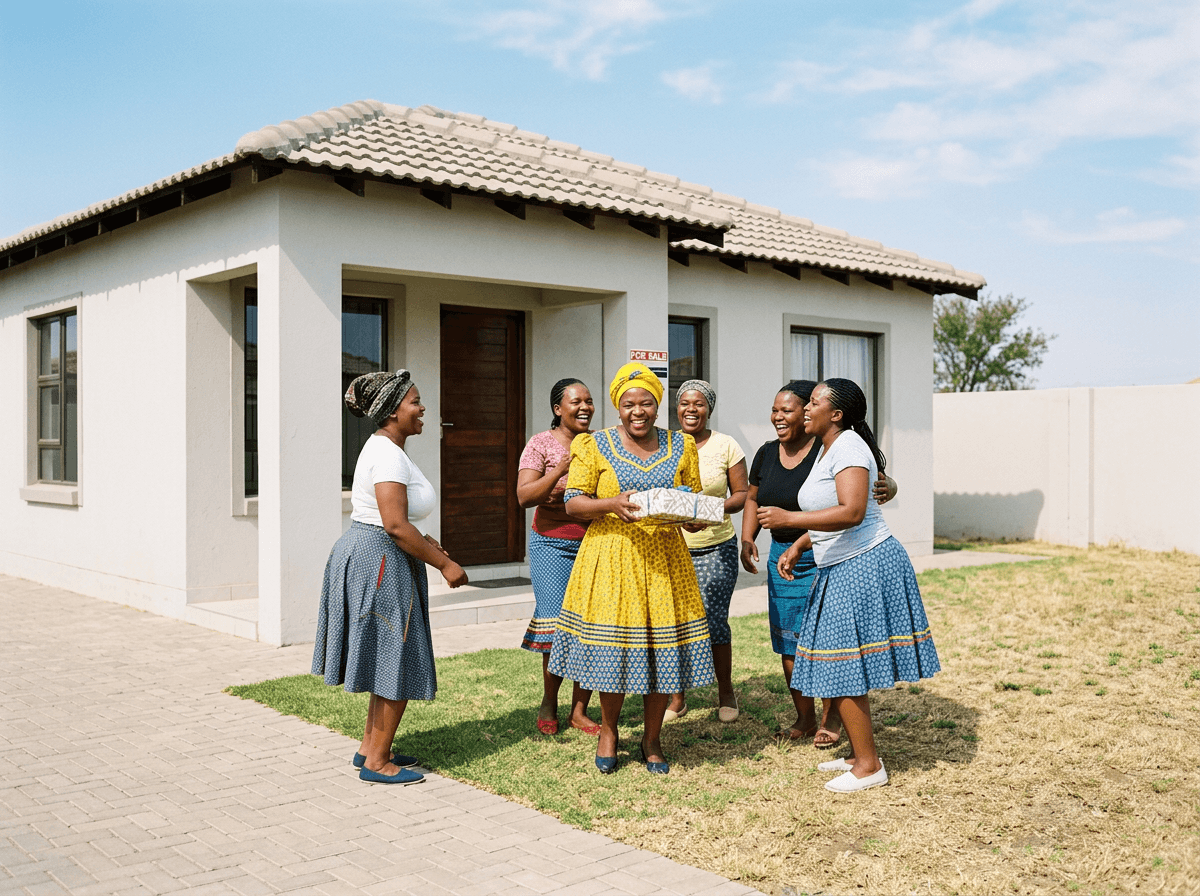
Using a stokvel to buy a house South Africa style isn't a new idea, but it's growing fast, and it genuinely works for many people. South Africa has more than 820 000 stokvels holding over R44 billion in annual savings, with more than 11 million South Africans belonging to at least one. What started as a savings and grocery tradition has evolved into a real, practical way to break into the property market.
Here's the simple version. A property stokvel South Africa groups typically form when a group of trusted people, often family, colleagues, or church members, agree to contribute a fixed amount monthly towards buying property together, either collectively or to help individual members purchase homes on a rotating basis.
Why a Stokvel to Buy a House South Africa Style Actually Works
The maths behind this is genuinely powerful. If you save R1 000 a month alone, that's R12 000 a year, and it would take years to build a meaningful deposit. But if 20 people each contribute R1 000 a month, that's R20 000 a month, or R240 000 in a single year. Pooled resources let a group buy bigger, better properties than any single member could afford alone, and a larger deposit can mean a smaller bond and a better interest rate for whoever the funds go towards.
Some banks have caught onto this too. FNB and Absa now offer a collective home loan option, allowing up to 12 people to apply together for a single bond, with the group deciding how much each person contributes towards the monthly instalment.
How to Set One Up Properly
If you're starting a property-focused stokvel rather than joining an existing one, here's what actually matters:
Gather people you genuinely trust, family, colleagues, or community members, ideally 8 to 15 for manageable numbers
Draft a clear constitution covering contribution amounts, due dates, what happens if someone defaults, and how funds will be distributed
Register with the National Stokvel Association of South Africa (NASASA registration gives your group real credibility and a support structure)
Open a dedicated stokvel bank account, with FNB, Nedbank, and Standard Bank all offering no-fee stokvel accounts
Bring in a conveyancer once you're ready to purchase, to handle the legal transfer properly
The Real Risks to Know Before You Join
Being honest here matters more than making this sound perfect. Most stokvels are informal and unregulated, which means there's no legal framework protecting your money the way a bank account is protected. A few real risks to weigh up:
If one member defaults on their contribution, the whole group can be affected, and if it's a joint loan, everyone's credit record is at risk together
Disputes between members can break down a group entirely, which is far messier when property is involved than when it's just a savings pot
Scams disguised as legitimate stokvels do exist, so check the constitution, leadership, and existing members carefully before contributing any money
If you want to leave, getting your contributions back isn't always straightforward unless the constitution clearly addresses it upfront
Before joining any property stokvel, ask to see the constitution, find out exactly where the money is held, and request confirmation of how contributions are tracked and reported to members.
Combining a Stokvel With Other Options
A stokvel doesn't have to be your only path. If your income falls between R3 501 and R22 000 a month, you may also qualify for the FLISP subsidy, and remember that most first-time buyers today don't need a deposit at all to qualify for a home loan. A stokvel can work alongside these options, giving you a bigger deposit if you choose to have one, rather than being the only route available to you.
If you're already saving individually, our guide on how to save for a deposit covers practical steps that work whether you're saving alone or as part of a group.
Ready to see what you'd qualify for, stokvel or not? Try our free two-minute pre-approval quiz and get a real number to work with.
Common questions
Is it legal to use a stokvel to buy a house in South Africa?
Yes, it's completely legal, and banks like FNB and Absa even offer collective home loan products supporting up to 12 people buying together. The key is having a clear, legally sound constitution before any money changes hands.
What should I check before joining a property stokvel?
Ask to see the constitution, confirm where the group's money is actually held, check the leadership structure, and ask how contributions are tracked and reported. If any of this is unclear or hard to get answers on, treat it as a warning sign
Can a stokvel replace a home loan application?
Not usually. A stokvel typically helps build a deposit or fund a joint purchase, but most members still go through the standard home loan process, with their stokvel contribution improving their deposit or affordability position.