Buying a Home
Load Shedding and Solar: What to Check When Buying a Home in South Africa
3 min readBy Kwantu Homes
Thinking through load shedding solar buying a home South Africa considerations matters even now, with the grid in a much better place than it was a few years ago. South Africa went over 300 consecutive days without load shedding into early 2026, a genuinely welcome change. But the underlying infrastructure issues, ageing coal units and maintenance backlogs, haven't disappeared entirely, so backup power remains a smart consideration rather than an emergency purchase.
What Solar Backup System Cost Actually Looks Like
Here's a realistic budget breakdown for solar backup system cost options available right now:
Basic battery and inverter setup, no solar panels, keeping lights, Wi-Fi, and essentials running: roughly R25 000 to R60 000
A full 5kW hybrid solar system with 5 to 10kWh battery storage: roughly R80 000 to R120 000
Larger, more comprehensive setups for bigger homes: R150 000 to R250 000
A solar system does double duty. It provides backup during any outage while also cutting your electricity bill by 60 to 80 percent day to day, often paying for itself within 4 to 6 years through savings alone.
Homes With Solar Resale Value: A Real Advantage
This is genuinely worth knowing if you're buying with resale in mind down the line. Homes with solar resale value data from agents like Pam Golding shows solar and battery-equipped homes selling for 3 to 8 percent more than equivalent homes without, even as load shedding itself has eased. Buyers still actively seek out energy-secure properties, and that preference doesn't appear to be fading just because the lights have stayed on.
Understanding a Hybrid Inverter Battery System
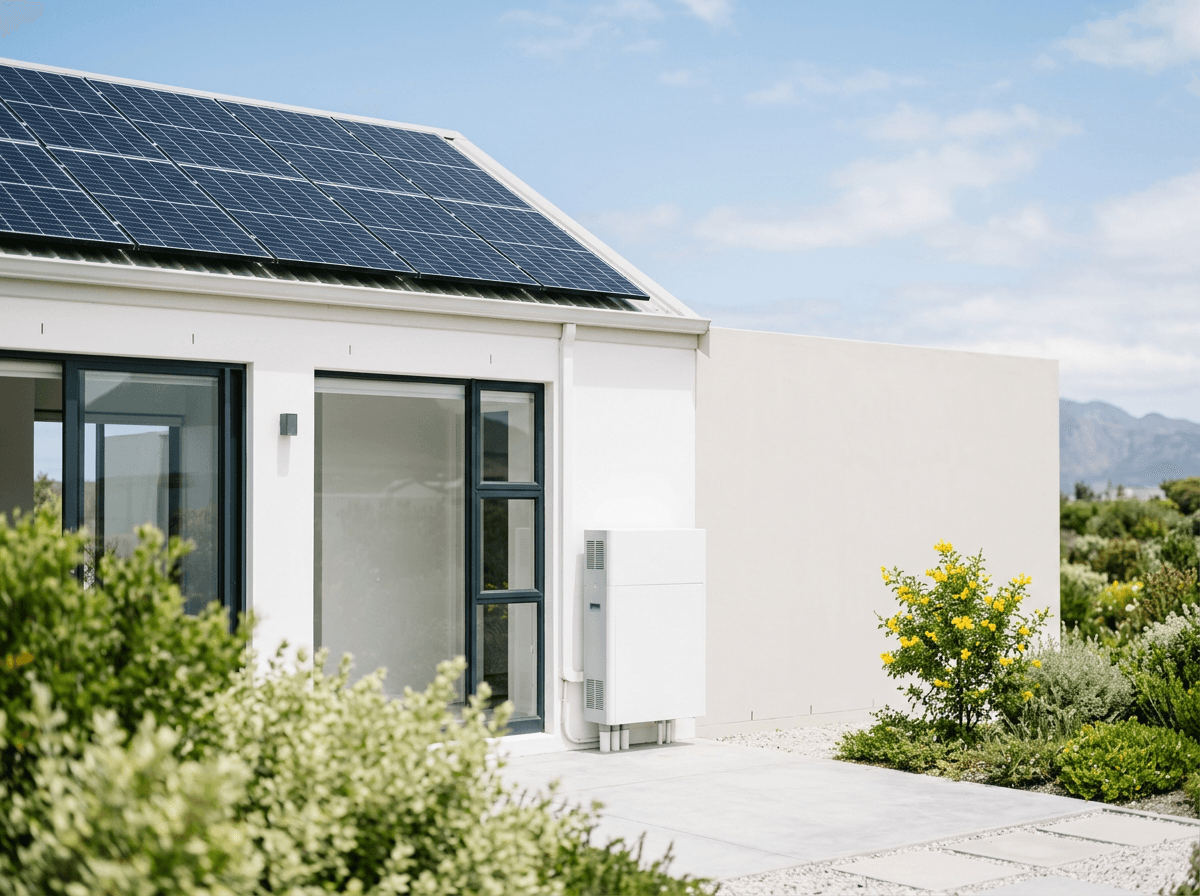
A hybrid inverter battery system combines rooftop solar panels with battery storage, giving you both an ongoing electricity bill reduction and genuine backup during any outage, whether from load shedding or an unplanned local fault. This differs from a basic battery-only setup, which only provides backup and doesn't generate any of its own power.
What to Check When Buying a New Development
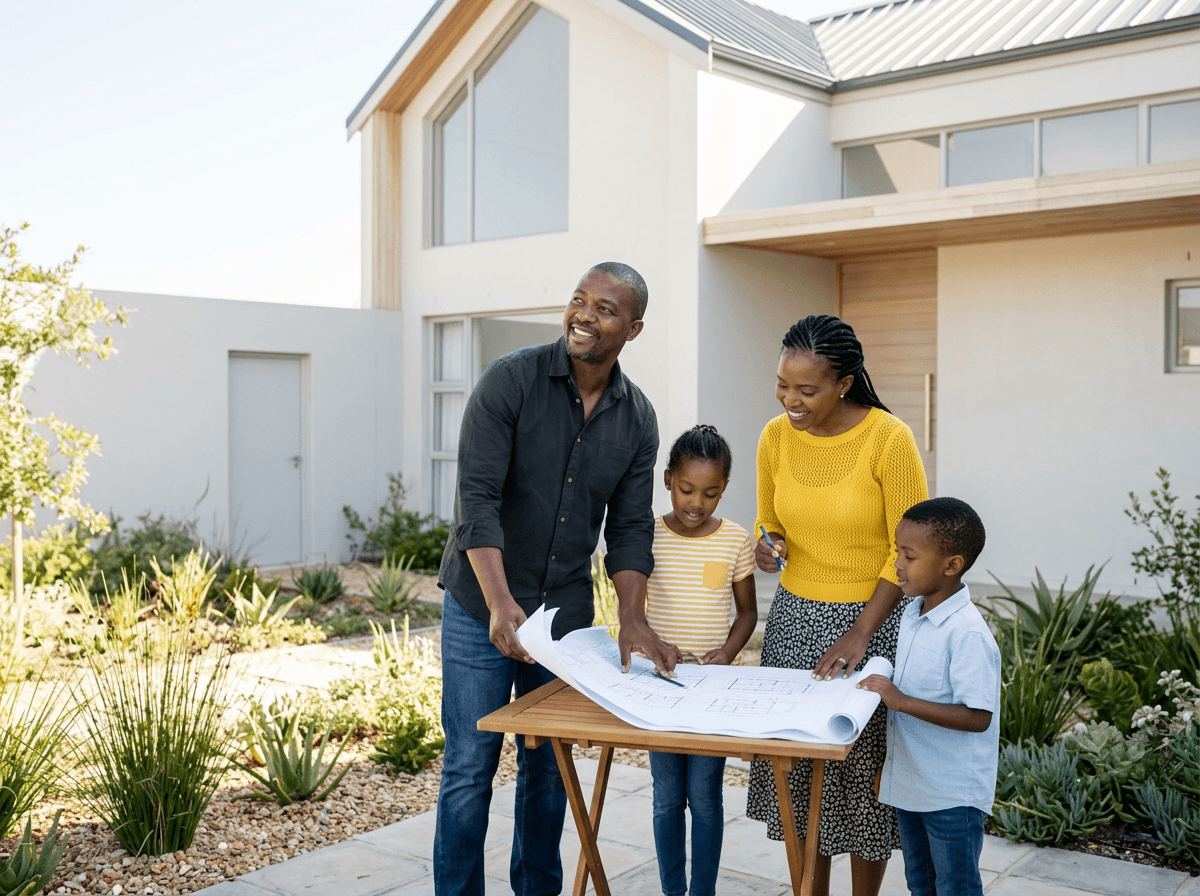
Many energy resilient new developments now include some form of backup power as standard, since over 60 percent of new residential developments in South Africa now incorporate solar or alternative energy in some form. When viewing a new development, ask specifically:
Is any solar or battery system included as standard, or is it an optional upgrade?
What size system is installed, and how many hours of backup does it realistically provide?
Is the system covered under warranty, and for how long?
Are there body corporate or estate rules around adding your own solar system later if one isn't already included?
What to Check When Buying Resale
If you're buying an existing home rather than new, ask the seller directly whether any solar or backup system is included in the sale or will be removed before transfer, since this isn't always obvious from listing photos alone. Get details on the system's age, capacity, and whether it's still under any manufacturer warranty.
Weighing Up the Investment
Whether backup power is worth adding depends on your budget and how much daily disruption matters to you. If you're buying off-plan, check the specification schedule carefully to see exactly what's included before assuming solar comes standard.
Want to see what you'd qualify for on a new development? Try our free two-minute pre-approval quiz and get a real number to work with.
Common questions
Is load shedding still a real risk in South Africa in 2026?
The grid has improved significantly, with over 300 consecutive days without load shedding into early 2026, but ageing infrastructure means the risk of it returning at some level hasn't disappeared entirely.
Does having solar actually increase a home's resale value?
Yes. Data from agents like Pam Golding shows homes with solar and battery backup selling for 3 to 8 percent more than equivalent homes without, since buyer preference for energy security has persisted even as load shedding eased.
What's the difference between a battery backup system and a hybrid solar system?
A battery-only backup system provides power during outages but doesn't generate its own electricity. A hybrid solar system combines rooftop panels with battery storage, giving you both backup power and an ongoing reduction in your electricity bill.