
Buying a Home
Home Inspection Checklist: What to Check Before Buying a House in South Africa
3 min readBy Kwantu Homes
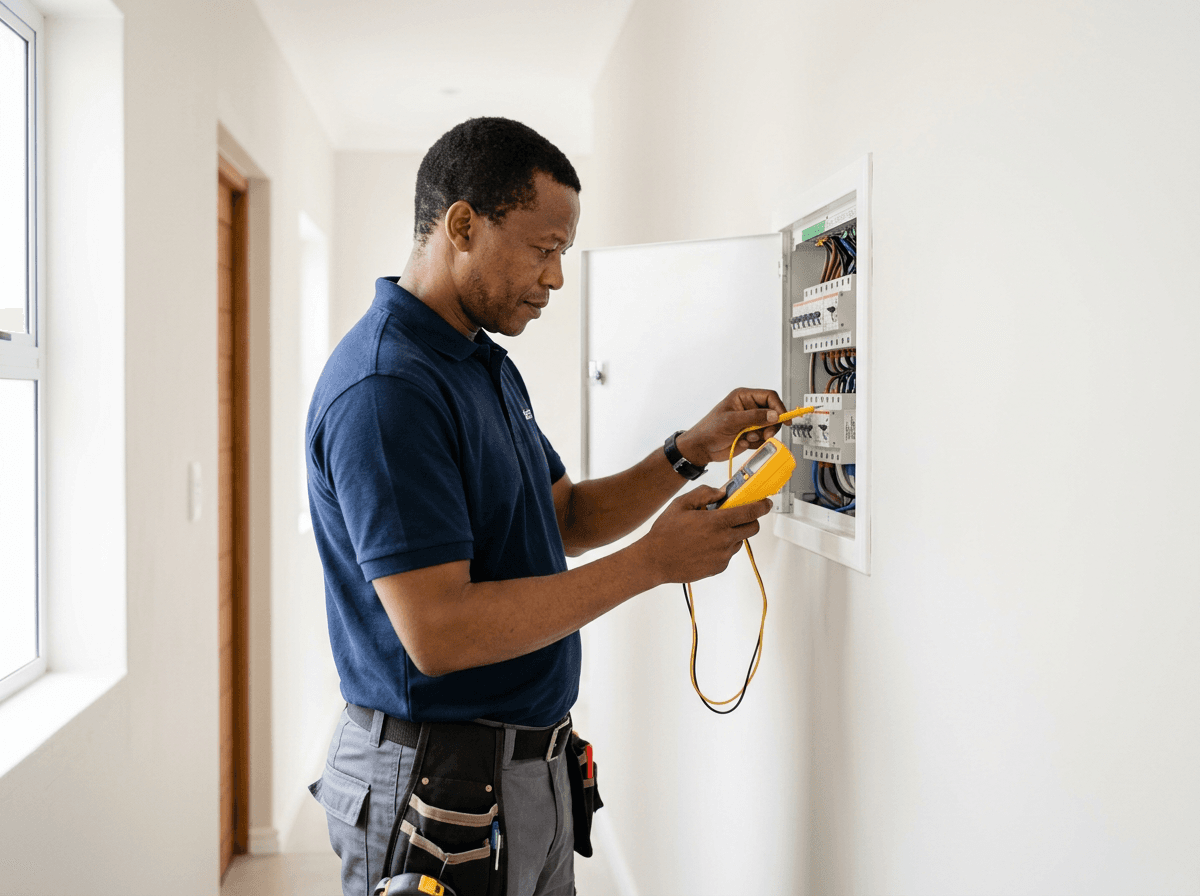
A proper home inspection checklist South Africa buyers should use goes well beyond checking if the paint looks fresh. Before any resale property changes hands, South African law requires the seller to hold specific compliance certificates, and understanding these protects you from expensive surprises after you've already moved in.
Here's the important context first. If you're buying a new development directly from a registered developer, most of this checklist doesn't apply to you, since everything is new and covered under the NHBRC warranty instead. This checklist matters most when you're buying a resale home.
The Certificate of Compliance House Sellers Must Provide
By law, a seller must have specific certificates ready before a sale can go through. Here's what each one actually covers:
Electrical Certificate of Compliance: Confirms the home's wiring, distribution board, earthing, and outlets meet South African safety standards. It's compulsory by law and valid for two years, unless electrical work has been done since it was issued
Beetle certificate: Confirms the property is free of wood-destroying insects in accessible structural timber. Not required by national law, but almost always included as a condition in the Offer to Purchase
Gas Compliance Certificate: Required if the property has any gas installations, such as a gas stove or gas geyser, confirming everything is safely installed and leak-free
Electrical Fence Certificate: Required if the property has an electric fence installed or altered after October 2012
Water Installation Certificate: Only required in some municipalities, such as Cape Town, confirming plumbing meets local by-laws
What an Electrical Compliance Certificate Doesn't Cover
It's worth knowing the limits here too. An electrical compliance certificate covers the wiring, distribution board, and fixed outlets, but it doesn't cover the appliances themselves, things like your stove, geyser, or air conditioning unit aren't included, even though they're plugged into a compliant system.
Beyond Certificates: What to Check Yourself
Certificates confirm legal compliance, but they don't tell you everything about a home's condition. Before committing to a resale purchase, it's worth arranging your own independent inspection covering:
The roof, for visible sagging, missing tiles, or signs of water damage
Plumbing and drainage, checking for leaks, water pressure, and any damp patches on walls or ceilings
Foundations and walls, looking for cracks that might indicate structural movement
Windows and doors, checking they open, close, and seal properly
The overall condition of the geyser, since replacements can be a significant unplanned cost
What to Check Before Buying a House That's a New Development
If you're buying new, what to check before buying a house looks quite different. Instead of compliance certificates and beetle inspections, focus on:
Confirming the developer's NHBRC registration number and verifying it independently
Reviewing the specification schedule for exactly what finishes and fittings are included
Understanding your NHBRC warranty periods, covering structural defects, roof leaks, and minor snags
Bringing It All Together
Whether you're buying resale or new, the goal is the same, know exactly what you're getting before you sign anything. Pulling your documents together at the same time as reviewing compliance certificates or NHBRC registration keeps the whole process moving smoothly, rather than discovering issues right before transfer.
Want to know what you'd qualify for before you start viewing homes? Try our free two-minute pre-approval quiz and get a real number to work with.
Common questions
Is a beetle certificate required by law in South Africa?
No. A beetle certificate isn't a national legal requirement, but it's almost always included as a condition in the Offer to Purchase, and banks or insurers may require one before providing finance.
Does an electrical compliance certificate cover my appliances?
No. It covers the wiring, distribution board, earthing, and fixed outlets, but not the appliances themselves, things like your stove or geyser aren't included even though they connect to a compliant electrical system.
Do I need to worry about compliance certificates if I'm buying a new development?
Generally no. New developments are covered under NHBRC warranty instead, so the compliance certificate checklist mainly applies when buying a resale home from a private seller.